
How to Choose the Right Whole-Home Generator for Your Needs
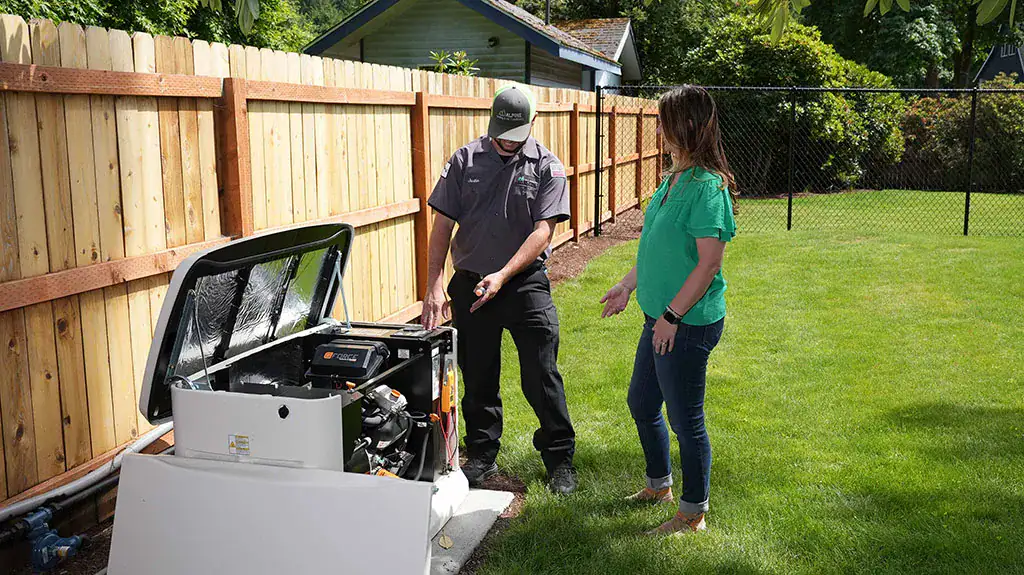
Is your power out … again? Are you tired of finding your way through your own home with candles or flashlights?
It may be time to consider installing a whole-home generator.
A reliable whole-home or standby generator can be a game-changer when a power outage strikes in Eugene, regardless of whether severe weather, grid failures, or other unforeseen circumstances caused it.
A standby generator ensures your household remains functional and comfortable. But with so many options available, how do you choose the right one for your home?
This guide from the pros at Alpine Heating & Air Conditioning will explain the essential factors to consider when selecting a whole-home generator, including home size, power requirements, fuel type, and the importance of consulting a professional installer.
How to Choose the Right Whole-Home Generator
When shopping for a standby generator, consider your power needs, the fuel type, and more.
Here are the things you need to know to decide on the right type of whole-home generator for your home.
1. Assess Your Power Needs
Determining your home’s power requirements is the first step in choosing a standby generator. Generators come in various capacities, measured in kilowatts (kW), and selecting the right size ensures all your essential appliances and systems remain operational during an outage.
- Essential Circuits: If you want to power only the essentials, such as refrigeration, heating, lighting, and medical devices, you may need a smaller generator (10–22 kW).
- Total Comfort: For more extensive coverage for optimal comfort, you’ll need a more robust generator (20–40+ kW). This will allow you full-home coverage, including HVAC systems, water heaters, large appliances, and other powered systems.
How to Calculate Your Power Needs
List all the appliances you want to power during an outage and note their wattage. Add up their starting and running watts to determine your total power needs. Many manufacturers offer online wattage calculators to simplify this process.
For precise calculations and installation, consult a professional from Alpine Heating & Air Conditioning to ensure you get the most efficient and reliable system for your needs.
2. Choose the Right Fuel Type
Whole-home generators can run on various fuel sources. The best choice for your home will depend on availability, convenience, and personal preferences.
- Natural Gas: A convenient option if your home is already connected to a natural gas line. It provides a continuous fuel supply and requires no storage.
- Propane (LP Gas): A good choice for homes without natural gas access. It requires a storage tank but burns cleanly and is widely available.
- Diesel: Offers high efficiency and long runtimes but requires on-site fuel storage and regular maintenance.
- Bi-Fuel or Dual-Fuel Generators: These models can switch between fuel sources, providing greater flexibility and reliability.
3. Consider Generator Features
When choosing a whole-home generator, look for key features that enhance convenience, efficiency, and durability to ensure reliable backup power during outages.
- Automatic Transfer Switch (ATS): Allows the generator to start automatically when an outage is detected.
- Remote Monitoring: Many modern generators offer Wi-Fi or mobile app monitoring for real-time updates.
- Noise Level: Consider soundproofing features if you live in a noise-sensitive area.
- Weather Protection: Ensure the unit is built to withstand local climate conditions or invest in special whole-home generator covers.
4. Installation Considerations
Proper installation is critical for safety, efficiency, and compliance with local codes. Here’s why consulting a professional installer is essential:
- Site Assessment: A professional will evaluate your property to determine the best installation location.
- Electrical Load Testing: Ensures your generator can handle your home’s energy needs without overloading.
- Fuel Line Connection: Properly installing fuel connections prevents leaks and ensures consistent operation.
- Code Compliance: Many regions require permits and inspections for generator installation. A licensed installer will handle these processes for you.
5. Budgeting and Maintenance
The cost of a whole-home generator varies depending on size, brand, and features. Expect to pay between $5,000 and $20,000 for the generator and installation.
But the initial investment isn’t the only cost to consider; aside from ongoing fuel expenses, you’ll also need to complete maintenance to keep your generator in peak condition.
Follow these maintenance tips:
- Regular Testing: Run the generator periodically to ensure it starts and operates correctly.
- Oil and Filter Changes: Follow manufacturer recommendations for routine servicing.
- Battery Inspections: Keep the battery charged and free of corrosion.
- Professional Tune-Ups: Schedule annual maintenance with a qualified technician.
Contact Alpine Heating & Air Conditioning for Whole-Home Generator Information
Choosing the right whole-home generator is an investment in your home’s security and comfort. By assessing your power needs, selecting the appropriate fuel type, considering key features, and working with a professional installer, you can ensure you make the best choice for your household.
If you’re unsure where to start, contact a trusted generator expert at Alpine Heating & Air Conditioning for a free consultation. Our generator installers can walk you through the process and answer any questions you may have about standby generators.
When the next power outage strikes in Eugene, OR, you’ll be glad you took the time to choose the right generator for your needs! For your free consultation, contact us at 541-688-0426 or request service online today.